
Medication
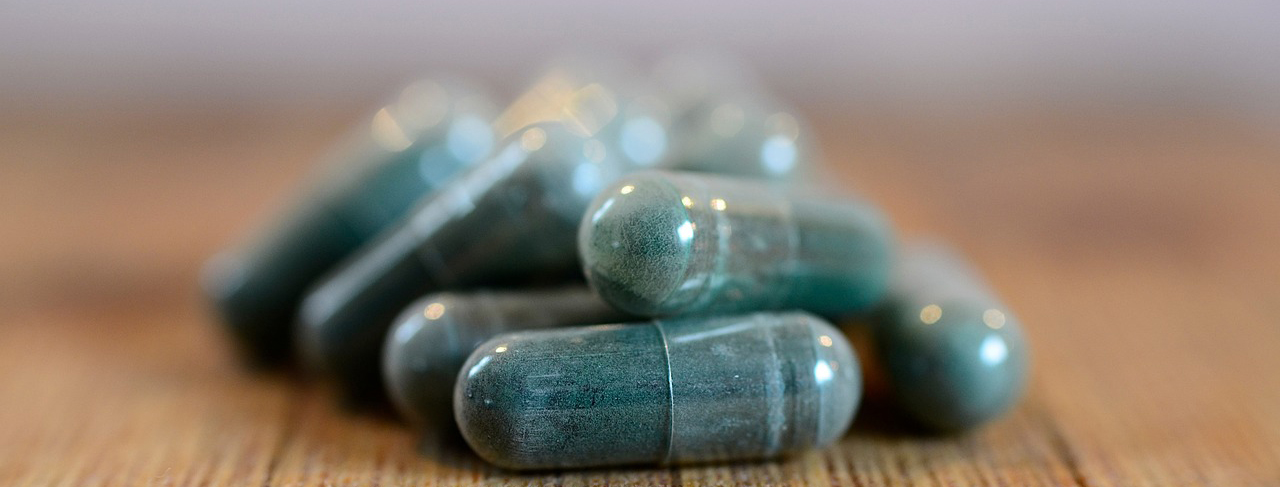
Medication. Doctors specialising in an alcohol home detox use commonly effective medications such as Benzodiazepines (lorazepam, alprazolam, and diazepam) to reduce the risk of seizures during detox. Additionally, neuroleptic medications and anti-anxiety pills may be prescribed to alleviate symptoms and maintain a healthy mental state throughout the process. The following is a list of medications typically used during a medical detox: Chlordiazepoxide, Diazepam, Lorazepam, Metoclopramide, Thiamine (Vitamin B), and Naltrexone. All medications used in our alcohol home medical detox are prescribed by our medical professionals.
Can I just stop drinking?
In summary, it is highly recommended to not abruptly stop drinking alcohol. While it may be tempting to do so during moments of inspiration, it is important to allow your body time to adjust to functioning without alcohol. Without this adjustment period, you may experience severe withdrawal symptoms such as nausea, insomnia, a rapid heart rate, and even seizures. It is advised to undergo a detox process when attempting to quit alcohol.
An alcohol home detox is a viable option for those unable to afford private rehab, although this may not always be the case. Some individuals prefer to detox in familiar surroundings while receiving support from loved ones. Each person’s situation is unique and may not solely be a matter of finances or social circumstances that necessitate a home detox. Many clients are unable to take time away from responsibilities such as childcare and work commitments.
Librium
Librium, a benzodiazepine, is commonly prescribed for alcohol detox due to its ability to help with severe anxiety and agitation, common side effects of alcohol withdrawal. If you are undergoing a home alcohol detox and feel confident in taking it safely or have someone to assist you, your doctor will likely prescribe this medication.
For individuals who cannot take Librium, such as those with liver or kidney issues, there are other benzodiazepines available. However, Librium is the most frequently used medication for alcohol detox symptoms.
Excessive alcohol consumption can disrupt the GABA receptors in the brain, which are responsible for feelings of relaxation and calmness. When you stop drinking, your brain may still rely on alcohol to relax, and it takes time for your body to adjust naturally.
Librium is particularly helpful in preventing delirium tremens, a serious risk during alcohol detox. Delirium tremens, commonly known as ‘the shakes’, can range from mild tremors to life-threatening seizures. It is crucial to address DTs promptly, as they typically occur two to three days after stopping drinking and can escalate quickly.
Without medication, there is a 35% chance of death from delirium tremens. Symptoms may include confusion, sleep disturbances, hallucinations, fever, rapid heart rate, and seizures. Alcohol detox medication is essential in managing these symptoms and preventing serious complications.
Side effects
Enzodiazepines are commonly used during alcohol detox to help alleviate symptoms, but they come with typical side effects of sedative medications. These side effects include drowsiness, dizziness, loss of balance, exhaustion, and an impact on driving ability. Increased appetite may also be experienced.
In the short term, benzodiazepines can cause rebound insomnia or anxiety, memory loss, and a reliance on sleeping tablets. Despite these potential long-term side effects, benzodiazepines are the most commonly used sleeping pills during alcohol detox to help with withdrawal symptoms, particularly insomnia.
Alcohol can cause insomnia by affecting GABA, a neurotransmitter that helps slow down the brain to prepare for sleep. Over time, excessive alcohol consumption can deplete GABA levels, making it harder to fall asleep.
Antidepressants
There is a wide variety of antidepressants available, and the choice of which one a detox doctor will prescribe may vary depending on the individual’s needs. SSRIs are commonly prescribed as they are non-sedative and easy to start and stop taking, and they are effective in treating depression and anxiety, which are common symptoms during alcohol detox. Some common side effects of SSRIs include nausea, dry mouth, agitation, headaches, reduced libido, and insomnia, but these usually only occur during the initial and tapering periods of treatment. Disulfiram, also known as Antabuse, is used after the physical dependence period of alcohol detox is complete. It causes severe symptoms if alcohol is consumed, serving as a deterrent to drinking. Antabuse is typically used for individuals who have relapsed before or struggle to maintain sobriety long-term. While it is a drastic approach, it can be very effective for those with persistent alcohol misuse disorder. Side effects of Antabuse include severe headaches, irregular heart rate, exhaustion, confusion, respiratory problems, anxiety, and a metallic taste in the mouth.
Glutathione medication
Glutathione can be used as a detox treatment to aid in liver detoxification and address immune and skin concerns. It can also provide short-term relief by preventing cellular and organ damage resulting from alcohol misuse. Glutathione plays a significant role in alcohol detox by accelerating symptom relief and eliminating toxins from the body. It can be consumed in tablet form or administered through a push injection or IV in a clinic setting as part of outpatient care.
Naltrexone
While Naltrexone is commonly used as a detox medication, it is not meant for the initial detox period. It is important that your body is free of the substance you are addicted to before beginning treatment with Naltrexone. After completing your initial home detox, which typically lasts a few weeks, you can start taking Naltrexone to help reduce cravings. This medication works by attaching itself to opioid receptors and reducing the urge to drink. It begins to take effect around 30 minutes after being taken or injected. Naltrexone also blocks the pleasurable effects of alcohol, making it less rewarding to drink. This helps to break the association between alcohol and feelings of happiness and relaxation. One advantage of Naltrexone over other detox medications is that it does not carry the risk of overdose. However, it is important to note that high doses of Naltrexone can potentially cause liver problems. Some common side effects of Naltrexone include nausea, vomiting, tiredness, drowsiness, appetite loss, and muscle and joint pain.
Nicotinamide medication
While benzodiazepines can be effective in treating insomnia during alcohol detox, there is a risk of dependency and rebound anxiety. To mitigate these risks, detox doctors will provide specific tapering instructions to help patients safely discontinue the use of benzodiazepines.Long-term alcohol misuse can deplete NAD, a crucial coenzyme. NAD infusions can help ease detox symptoms and accelerate the process by speeding up the removal of toxins like ethanol. Medical detox aims to reduce unnecessary suffering, making NAD treatment during home detox appealing. Additionally, NAD treatment can improve metabolism, increase energy levels, and provide a mental health boost during the challenging alcohol detox process.
Pabrinex medication
Pabrinex, a common IV infusion for people with alcohol, contains vitamins B & C. Many side effects of alcohol detox are due to vitamin and nutritional deficiencies. While it may seem trivial to consider vitamin levels during such a challenging time, deficiencies can have shocking effects. Vitamins like Thiamine are essential for the body’s basic functioning, and without them, many things can go wrong. Alcohol can interfere with the body’s absorption of essential vitamins, leading to disorders like Wernicke’s encephalopathy, which can cause brain damage and severe mental health issues. Fortunately, most symptoms and damage can be reversed if caught in time. Conventional tablet doses of vitamins are usually not enough, so Pabrinex is supplemented with other ingredients to encourage the body to absorb higher amounts, providing quicker and more effective treatment. Side effects of Pabrinex may include rashes, itching, low blood pressure, and allergic reactions at high doses.
Melatonin medication
To prevent reliance on benzodiazepines for sleep, consider using melatonin as an alternative. It can be effective for mild cases of alcohol withdrawal insomnia, especially if your main issue is irregular sleep patterns caused by excessive drinking or using alcohol to fall asleep.
Contact us
Our team has personal experience with recovery and understands that while overcoming alcohol addiction is crucial, life must still go on. If you have any concerns about your ability to fully commit to a home detox, please reach out to us for assistance. If you are at a stage where you have had enough of drinking, or it is making you ill, upsetting your family or causing job issues. Call our team now on Tel: 07811 606 606 (24 hours) We can help you.